


Best Chinese Songs for Toddlers to Learn Mandarin at Home
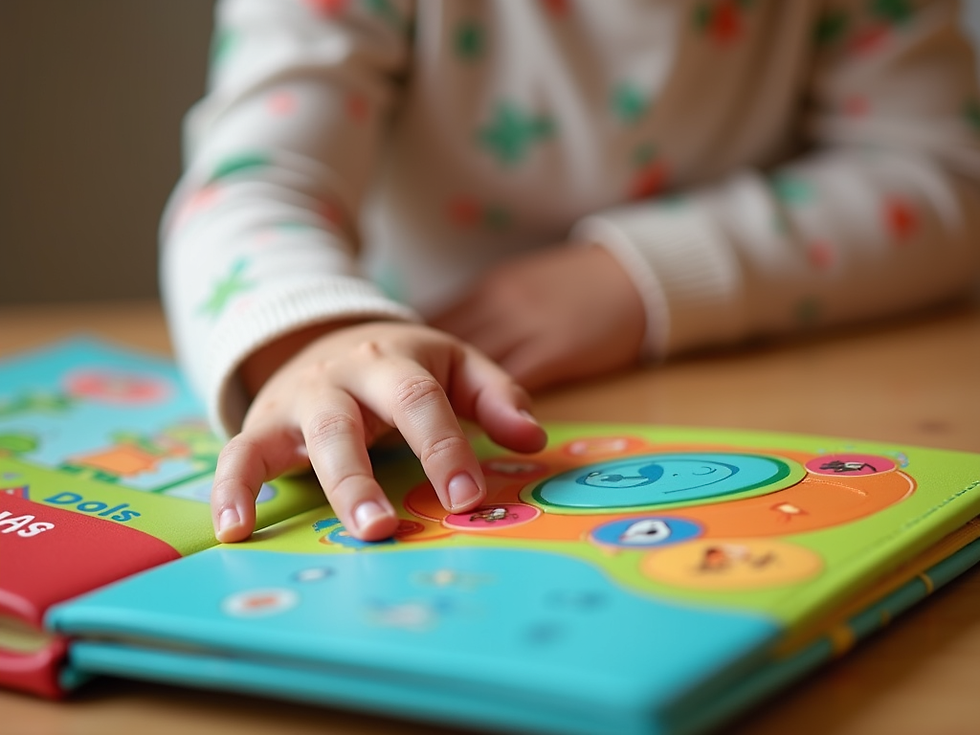
Every parent knows the power of a catchy tune. One minute your toddler is refusing to eat their peas, the next they are humming a song they heard once on the radio. That same magic works wonders when you want to teach little ones a new language. If you are raising a bilingual child or simply want to introduce some Mandarin at home, Chinese songs for toddlers are one of the easiest and most joyful places to start.
Why Songs Work So Well for Young Language Learners
Toddlers are wired to learn through repetition, rhythm and play. Songs give them all three at once. A melody helps a child remember words far longer than plain speech, and the natural rhythm of a nursery rhyme helps them pick up the flow of a language before they even understand every word.
Mandarin is a tonal language, which can feel daunting for parents who did not grow up speaking it. The good news is that songs actually make the tones easier. When a word is sung, the pitch and tone are exaggerated, so children hear the difference between the four main tones more clearly than they would in everyday chatter.
The confidence factor
There is another benefit that often gets overlooked. Singing removes the pressure of getting it right. A toddler belting out a song in Mandarin is not worried about mistakes, they are just having fun. That relaxed state is exactly when the brain absorbs the most. Over time, that playful practice builds real confidence to speak.
Simple Chinese Songs to Try First
You do not need to be fluent to sing along with your child. Start with short, repetitive rhymes that you can both learn together. A few gentle favourites include songs about animals, food and family, because the vocabulary connects to things your toddler already sees every day. When a child sings about a little cat or a bowl of rice, they are linking the Mandarin word to a real object in their world, which makes it stick.
Our own collection of Mandarin nursery rhyme books groups songs into themes like animals, food, family and festivals, so you can pick a topic your child is already curious about and build from there.
Make it part of the daily routine
Consistency matters more than length. Singing one song during bath time or before bed every night will do more than a long session once a week. Children thrive on routine, and pairing a song with a familiar moment gives them an anchor. Before long they will be asking for their favourite rhyme by name.
Bring in Movement and Play
Toddlers learn with their whole bodies. Add simple hand actions or a little dance to each song and you double the fun while helping the words stick. This is often called finger-play, and it turns a passive listen into an active learning game. Clapping, pointing and wiggling all help a child connect sound to meaning.
If you want to extend the learning beyond singing, try pairing songs with hands-on activities. Our free Chinese culture printables and activities include colouring sheets and crafts that match festivals and themes, giving your child another way to explore the language away from the screen.
Do Not Worry About Being Perfect
Many parents hesitate because they feel their own Mandarin is not strong enough. Please do not let that stop you. Children do not need a perfect teacher, they need an enthusiastic one. Singing together, even imperfectly, shows your child that learning a language is normal and joyful. If you want extra support, look for books that include pinyin and English alongside the Chinese characters, so you can follow the lyrics with confidence.
The goal is not to raise a scholar overnight. It is to plant seeds. A toddler who grows up hearing and singing Mandarin will carry those sounds and rhythms with them, making formal learning far easier down the line.
Start Singing Today
Chinese songs for toddlers are a low-pressure, high-reward way to bring Mandarin into your home. Choose a song, learn it together, add a few actions and repeat it as part of your daily routine. You will be amazed how quickly your little one picks it up.
Ready to begin? Browse our bilingual Mandarin sound books and find the perfect songs to start your family's language journey today.


Comments