


How to Raise a Bilingual Child in Mandarin When You Are Not Fluent

Raising a bilingual child is one of the greatest gifts you can give them, but it can feel overwhelming when Mandarin is not your strongest language. Many parents worry they will pass on mistakes or run out of things to say. The truth is you do not need to be fluent to give your child a rich head start in Mandarin. You just need the right approach and a few simple tools.
Why Start Mandarin Early
Young children are language sponges. A baby recognises around 55 words by just 16 months old, and that number multiplies rapidly in the following months. The earlier you introduce a second language, the more naturally your child will absorb its sounds, tones and rhythms. Waiting until school age makes the job harder, because the brain becomes less flexible with sound patterns over time.
This does not mean you have missed the boat if your child is older. It simply means the sooner you start, the easier it will be. You can read more about the science on our page covering the benefits of learning Mandarin through nursery rhymes.
You Do Not Have to Do It Alone
The biggest myth about raising a bilingual child is that the parent must be a fluent teacher. In reality, your job is to create an environment where the language lives. That can mean songs, books, videos, relatives who speak Mandarin, or a mix of all of these. You are the guide, not the sole source.
Lean on songs and rhymes
Music is your best friend here. Nursery rhymes carry vocabulary, grammar and pronunciation in a package that is easy for both you and your child to enjoy. Because the tones are exaggerated when sung, even a parent with shaky Mandarin can help their child hear the difference between words. Singing together also removes the fear of mistakes, which keeps everyone relaxed and motivated.
Use books with pinyin and English
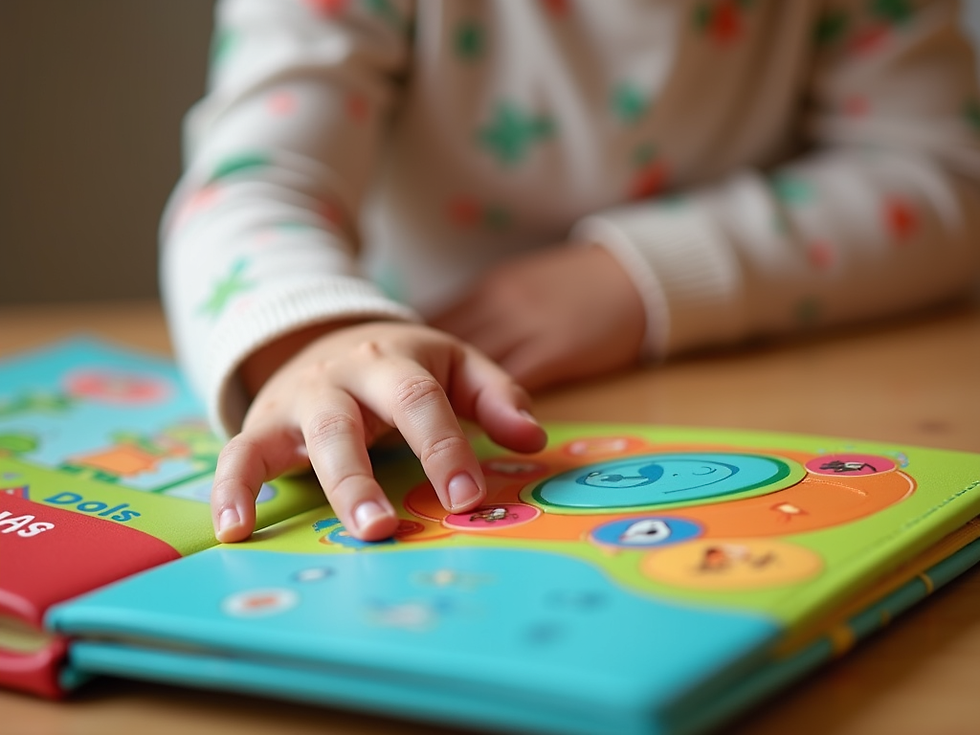
Look for resources that show Chinese characters alongside pinyin and English translations. This lets you follow along and learn at the same pace as your child. Our bilingual sound books do exactly this, so you are never left guessing how a word should sound.
Build Small Habits That Stick
Consistency beats intensity every time. A few minutes of Mandarin woven into your day will achieve far more than an occasional long lesson. Try these gentle habits:
Anchor the language to routines
Sing a Mandarin song at bath time, count in Chinese while climbing the stairs, or name foods in Mandarin at dinner. When the language attaches to something your child does every day, it becomes second nature rather than a chore.
Celebrate the culture too
Language and culture go hand in hand. Marking festivals like Lunar New Year or the Dragon Boat Festival gives your child a reason to care about the words they are learning. Our free downloads include festival crafts and printables that turn cultural learning into a fun family activity.
Handle the Wobbles
There will be days when your child answers in English, refuses to sing, or seems to forget everything. This is completely normal. Bilingual development is not a straight line. Keep offering the language without pressure, and trust that the exposure is building foundations even when you cannot see them.
It also helps to connect with other families on the same path. Knowing you are not alone makes the tougher days easier, and children love seeing that other kids speak Mandarin too.
Your Child's Journey Starts With One Small Step
You do not need perfect Mandarin, a big budget or hours of free time to raise a bilingual child. You need consistency, a little courage and resources that support both of you. Start with a song, a book or a simple routine, and grow from there.
Want a joyful, easy way to begin? Explore our Mandarin nursery rhyme books and collections and give your family the tools to make Mandarin a natural part of everyday life.


Comments