


Teaching Kids Mandarin Through Music: A Simple Daily Routine That Works

The easiest way to start teaching kids Mandarin through music is to choose a few short songs and play them at the same points in your day, every day. Repetition, rhythm and movement do most of the work, and you do not need to be fluent to join in.
Most parents know how a song from a cartoon can get stuck in a child's head for weeks. That same stickiness works just as well for Mandarin. Flashcards and apps have their place, but music turns language into play. This guide shows you how to build a gentle, realistic routine around Chinese songs and nursery rhymes, using the moments you already have.
Why does music help children learn Mandarin?
Mandarin is a tonal language. The pitch of a syllable changes its meaning, so 'ma' can mean mother, horse or something else entirely. Melody trains children to listen closely to pitch and sound without any pressure.
Rhythm helps too. A nursery rhyme breaks a long phrase into small, bouncy chunks that are easy to remember. Children quickly start to anticipate the next word, which is when new vocabulary really sticks. Singing in an exaggerated, playful way also makes the tones more obvious. You can read more about the benefits of learning Mandarin through nursery rhymes on our site.
Then there is confidence. A child who might freeze when asked to 'say something in Chinese' will happily belt out a chorus they love.
When should you play Mandarin songs during the day?
You do not need a dedicated lesson time. Attach songs to things you already do, and the habit builds itself.
Morning wake-up
Pick one upbeat song for getting dressed. Play it every morning for a week. By day three, your child will probably be humming along.
Mealtimes
Food songs are perfect here. Name the food on the plate in Mandarin and sing about it. Children love connecting a word to something they can see, smell and taste.
Car journeys and travel
The car is a captive audience. A headphone-ready sound book also works well on trains, planes and in waiting rooms, so the songs can travel with your child.
Bath and bedtime
Slow down at the end of the day with a calm song. A familiar bedtime tune in Mandarin becomes a comforting signal that it is time to rest.
How do you learn Chinese through music and reading together?
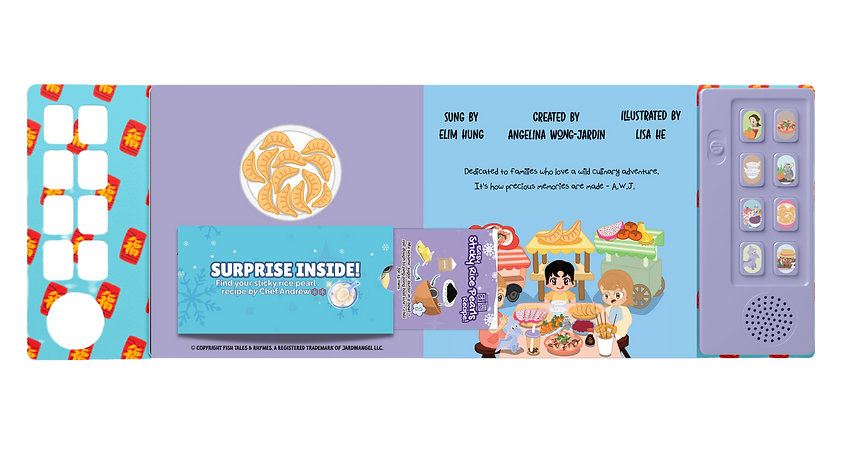
Songs bring the sound of Mandarin into your home, and the book keeps it within reach. Children press the buttons themselves, and the music holds their attention for as long as they are in the book.
Children lead with the song and the pictures. The lyrics are there for you: our Chinese nursery rhyme sound books show them in Chinese characters, pinyin and English side by side, so you can sing along and share what each song means.
This mix of listening and reading is exactly how our founder Angelina started with her own two boys, sharing Chinese songs at bedtime. You can read that story on our My Story page.
What if you do not speak Mandarin yourself?
Many families teaching kids Chinese through songs are not fluent, and that is fine. Pinyin gives you the pronunciation. The recording gives you the tune and the tones. Your job is simply to show up and sing.
Learning alongside your child sends a powerful message: trying is more important than being perfect. If you get a word wrong, laugh about it and try again together.
How do you keep it fun?
Repeat favourites. Children love the same song a hundred times, so let them.
Skip the quizzes. Joy keeps them coming back far more than testing does.
Keep the book within reach, then watch your child move, sway and sing along on their own.
Conclusion
Teaching kids Mandarin through music is less about a perfect plan and more about steady, happy repetition. Choose a few songs, tie them to your daily routine and pair them with books when you can. Within weeks, Mandarin will feel like a natural part of family life rather than a chore.
Ready to start your family's song routine? Browse our bilingual Chinese nursery rhyme books, available in Simplified and Traditional Chinese.
Frequently asked questions
What age can children start learning Mandarin through songs?
You can start from babyhood. Babies respond to rhythm and melody long before they can talk, and singing to them builds familiarity with the sounds of Mandarin.
How many Mandarin songs should we learn at once?
Two or three songs at a time is plenty. Repeat them until your child knows them well, then add a new one.
Does it matter if we choose Simplified or Traditional Chinese?
Spoken Mandarin sounds the same either way, so the songs do not change. The choice only affects how the written lyrics look, and Fish Tales & Rhymes books come in both editions.

Comments