


Winter Solstice for Kids: How to Celebrate Dongzhi at Home with Tang Yuan

Dongzhi, the Chinese Winter Solstice Festival, falls on the shortest day of the year, around 21 or 22 December, and families celebrate by gathering together to eat warming food such as tang yuan, sweet sticky rice balls. For kids, the easiest way to join in is to roll tang yuan together, learn a few Mandarin words and sing a song about them.
It is a cosy, low-fuss festival that fits beautifully into the run-up to the winter holidays. Here is how to share it with your little ones.
What is the Winter Solstice Festival?
In Mandarin, the festival is called 冬至 (dōng zhì), which means 'winter's arrival'. It marks the longest night of the year. From the next day, the days slowly get longer, so the festival carries a hopeful message about light returning.
Dongzhi is one of the 24 solar terms of the traditional Chinese calendar. In parts of southern China, there is even a saying that Dongzhi is as important as Chinese New Year. For many families, it is mainly a time to come home, sit down together and share a warm meal.
Why do families eat tang yuan at Dongzhi?
Tang yuan (汤圆, tāng yuán) are round balls made from glutinous rice flour, usually served in a sweet soup. Their round shape stands for completeness and family togetherness. The name also sounds like 团圆 (tuán yuán), a word that means reunion.
Popular fillings include red bean paste, black sesame and crushed peanut, and many families serve them in a ginger-infused syrup. In northern China, families often eat dumplings at Dongzhi instead.
Our founder Angelina remembers eating tang yuan with her grandparents every winter. You can read her story, and see how it inspired our limited Winter Edition of Nursery Rhymes About Food, on our site.
How can kids help make tang yuan?
Making tang yuan is a brilliant sensory activity. The dough feels like play dough, and children love rolling it.
Mix glutinous rice flour with water, following the instructions on your packet, until you have a soft dough.
Let your child pinch off small pieces and roll them into balls between their palms.
For a fun twist, colour a portion of the dough with a little natural food colouring.
An adult cooks the balls in boiling water until they float to the top.
Serve in a warm, sweet soup once cooled slightly.
Plain balls are perfect for small hands. Older children can try pressing a little filling inside before sealing them up.
Which Mandarin words can children learn at Dongzhi?
Keep it simple and connect each word to what you are doing:
冬至 (dōng zhì) - Winter Solstice
汤圆 (tāng yuán) - sticky rice balls
圆 (yuán) - round
甜 (tián) - sweet
冷 (lěng) - cold
家 (jiā) - family
Say the word as you do the action. 'Yuán!' as you roll a ball. 'Tián!' as you taste the soup. Children pick up words fastest when they are linked to touch and taste.
Which song goes with tang yuan?
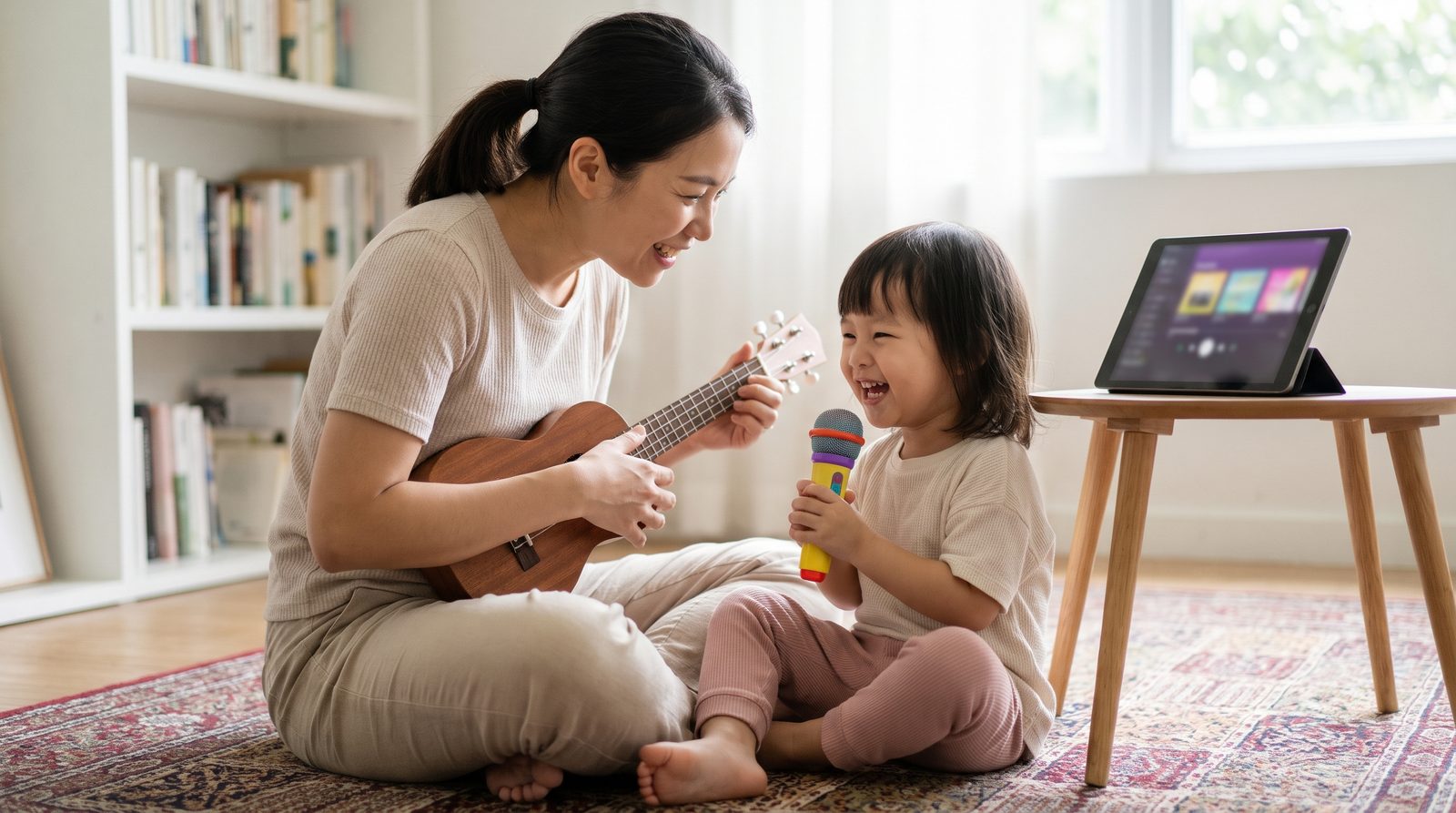
The Mandarin nursery rhyme 买汤圆 (mǎi tāng yuán), or 'Selling Sticky Rice Dumplings', is a natural fit. It features in our sound book Nursery Rhymes About Food in Mandarin, with lyrics in Chinese characters, pinyin and English so the whole family can sing along.
Play it while you roll the dough, then again while you eat. By the end of the evening, your child may well be singing it on their own. You can find all four titles in our Chinese nursery rhyme books for kids collection.
What winter crafts can you do together?
If little ones need a calmer activity while the tang yuan cook, try a craft. Our free Winter Solstice Snowglobe sheet is ready to print, along with plenty of other free Chinese culture printables for kids. You could also cut out paper circles and decorate them as tang yuan, talking about the colours in Mandarin as you go.
Conclusion
Celebrating the Winter Solstice with kids does not need to be complicated. Roll some tang yuan, learn a handful of words and sing a song together. These small rituals help children feel connected to their heritage, and they create warm memories that come back every winter.
Want to make Dongzhi a family tradition? Take a look at the Winter Edition, which comes with a collector's recipe card and keepsake pin, while copies last.
Frequently asked questions
When is the Winter Solstice Festival?
Dongzhi falls on the winter solstice, usually 21 or 22 December. The date moves slightly each year because it follows the solar calendar.
What do tang yuan symbolise?
Tang yuan stand for family togetherness and reunion. Their round shape represents completeness, and their name sounds like the Mandarin word for reunion.
Is Dongzhi only celebrated in China?
No. It is also celebrated in Hong Kong, Taiwan, Malasyia, Singapore and by Chinese communities around the world, and other East Asian countries mark the winter solstice with their own fillings inside every ball of delight.

Comments