


How Nursery Rhymes Help with Raising a Child Bilingual in Mandarin Chinese

Raising a child bilingual is one of the most rewarding gifts a family can give, yet many parents feel unsure where to start. If you want your little one to grow up speaking Mandarin Chinese alongside English, nursery rhymes are one of the simplest and most joyful tools you have. This post explains why songs and rhymes work so well and how you can build them into everyday family life.
Why nursery rhymes are perfect for early language learning
Young children learn through repetition, rhythm and play. Nursery rhymes tick all three boxes. A baby recognises around 55 words by 16 months and ten times that many by 30 months, so the early years are a golden window for soaking up new sounds.
Mandarin is a tonal language with five tones, and that can feel daunting for parents. The good news is that singing naturally exaggerates pitch and tone, which helps children hear and copy the differences without even realising they are practising. A rhyme sung at bedtime sticks in a way that flashcards never will.
The power of music and movement
When children clap, sway or act out a song, they connect words to actions. This finger-play and body movement creates strong memory links. A child who waves their arms while singing about a fish is far more likely to remember the word for fish than one who simply hears it spoken.
Practical ways to use rhymes at home
You do not need to be fluent yourself to raise a bilingual child. Here are a few easy routines that fit into busy family life.
Build a bedtime singing ritual
Choose two or three short rhymes and sing them every night before sleep. The predictability comforts children and the repetition cements the vocabulary. Over a few weeks you will hear your child filling in the words on their own.
Follow the lyrics together
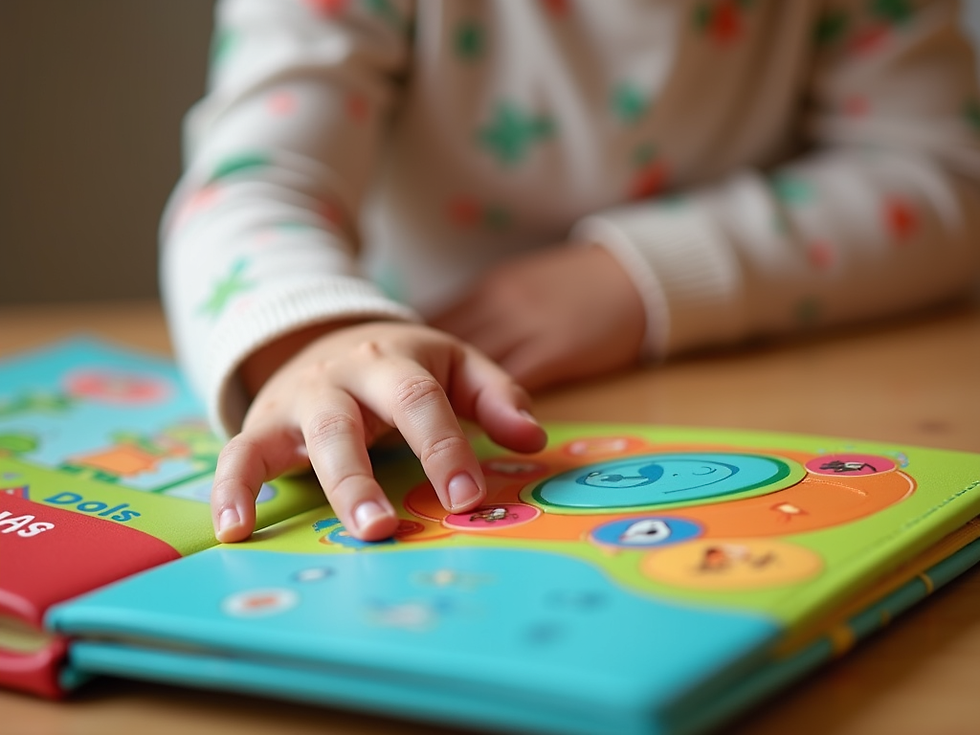
Reading along while you sing connects the spoken sound to the written character and to pinyin. Our bilingual musical sound books show lyrics in Chinese, English and phonetics side by side, so the whole family can join in even if Mandarin is new to you.
Make it part of daily play
Sing during bath time, on the school run or while tidying up. Language learning works best when it feels like fun rather than a lesson. The more natural the moment, the more your child absorbs.
Celebrating culture alongside language
Learning the language is only half the story. Nursery rhymes carry generations of culture, humour and tradition. When a child sings the same songs their grandparents knew, they feel a sense of belonging and pride in their heritage. This emotional connection keeps children motivated long after the novelty of a new word wears off.
You can extend this further with seasonal activities. Our free downloads include colouring sheets and crafts tied to festivals like the Dragon Boat Festival and Lunar New Year, giving children another fun way to connect with Chinese culture.
Staying consistent without pressure
The biggest challenge for most families is consistency, not ability. A few minutes of singing every day beats an hour once a week. Keep your expectations gentle, celebrate small wins and let your child lead with the songs they love most. Bilingual development is a marathon, not a sprint, and every rhyme adds another brick to the foundation.
Start your bilingual journey today
Raising a child bilingual in Mandarin does not require expensive tutors or complicated programmes. It needs warmth, repetition and a handful of songs you can enjoy together. Nursery rhymes turn language learning into a shared moment of joy that your child will carry for life. Ready to begin? Explore our shop to find bilingual music toy books that make singing in Mandarin easy and fun for the whole family.


Comments